Register Now for the 2026 Collaborative Conference!
Theme: Rooting Deeper, Rising Together • When: Thursday, 9/24, & Friday, 9/25 • Where: State College, PA
Board Governance, General, Nonprofit Compliance, Standards for All, Standards for Excellence | September 4, 2026
What if leadership meetings could be less about presentations and more about progress?
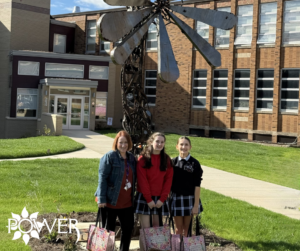 We considered this question as we reflected on some of the tools in PANO’s Values to Action Roadmap, a tool we used to think about how our values around leadership showed up in meetings. Our answers inspired the development of our new leadership team meeting model. Designed to foster collaboration, strategic thinking, and faster decision-making, this refreshed approach helps us spend less time sharing updates and more time focusing on the opportunities and challenges that matter most. By creating space for meaningful dialogue and cross-functional problem-solving, we’re building stronger alignment and ensuring the team experiences belonging, feels empowered to use their voices, and is equipped to make data-driven decisions to move the organization forward together.
As our organization continued to evolve, we recognized that our leadership meetings needed to evolve as well. Our single large gathering of executive staff, directors, managers, supervisors, had become a more challenging environment for focused discussion. So, we created two distinct leadership groups and introduced monthly team meetings that bring together the lead from each program and department. The broader leadership group now meets quarterly, providing an opportunity to connect with colleagues across the organization while allowing monthly meetings to focus on priorities and strategic discussions. This shift from simply reviewing updates to focusing on outcomes and developing solutions is proving to be a smashing success.
 Our new leadership team meetings are structured to take a deep dive into an issue, opportunity, or trend that a leader brings forward. The leader is equipped with data and comes prepared to share it, along with key insights, allowing more time for discussion, problem-solving, and shared decision-making. The structure encourages diverse perspectives and strengthens alignment on our most critical priorities and gives us opportunities to practice and model transparency.
Another benefit of the new meeting model is its ability to bridge the gap between anecdotal information and real data. In any organization, stories and observations from the field are important because they provide context and help us understand what people are experiencing. At the same time, effective decision-making requires us to validate those experiences with data. We’re creating opportunities to compare what we’re hearing with what the data tells us. This balance helps us identify trends more accurately, challenge assumptions, celebrate successes, and focus our efforts where they can have the greatest impact.
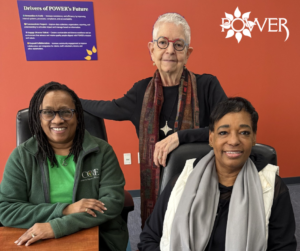 One example came from POWER’s Peer Recovery Support Services team. The director was concerned about a downward trend in referrals and the resulting decrease in staff caseloads. Like many leaders would, she initially saw this as a problem that needed to be solved. But through discussion and a review of the data, a different picture emerged. Even though caseloads were lower, the program met its projected financial results. More importantly, client satisfaction surveys revealed that women in the program valued additional time with their mentors and were asking for even more opportunities to engage.
At first glance, this may seem like a small example. But it illustrates the real value of our new leadership meeting model. By bringing leaders together to examine both anecdotal observations and objective data, we can move beyond assumptions and make decisions based on a more complete understanding of what’s happening across our organization. In just 90 minutes, the leader left with new ideas for the next steps. Some department leaders offered to continue the discussion; other program leaders got curious about their own programs, and we all left feeling energized and hopeful.
These conversations create opportunities to uncover insights, identify unexpected successes, and ensure our strategies are driven by evidence rather than instinct alone. As a bonus, this is a collective exercise in learning and trust-building with the potential to transform the way we lead.
 Rosa Verdiglione has served as Chief Executive Officer of POWER (Pennsylvania Organization for Women in Early Recovery) since 1992. Her career began in the field of youth services, where she worked with adolescents involved in juvenile court, foster care, and advocacy programs. Drawing on this foundation, she has dedicated more than three decades to advancing recovery services for women and families through her leadership at POWER. Rosa holds a Master of Social Work (MSW) degree from the University of Pittsburgh and is recognized for her longstanding commitment to behavioral health, recovery, and community empowerment.
POWER’s mission is to help women reclaim their lives from addiction and related emotional health issues and improve the well-being of future generations. If you or someone you know is struggling with alcohol or other drugs, call the POWER Line at 412-243-8755.
This post is part of our series looking at the Standards For All Report and Values to Action Roadmap released earlier this year. Here are links to the other posts in the series so far:
Category
Related Posts
Need some nonprofit help?
Become a PANO member today.